


Herbal-Based Nutrition: An Overview
- Jan 26
- 4 min read
Herbal-based nutrition has gained significant attention in recent years as more people seek natural ways to support their health and well-being. This approach focuses on using herbs and plant-based ingredients to provide essential nutrients, promote healing, and enhance overall vitality. Unlike synthetic supplements, herbal nutrition offers a holistic method that aligns with the body's natural processes.
Herbs have been used for centuries in traditional medicine systems worldwide. Today, modern science is uncovering the nutritional benefits of many herbs, making them a valuable addition to a balanced diet. This article explores the fundamentals of herbal-based nutrition, its benefits, practical uses, and how to incorporate it into daily life.
Understanding Herbal-Based Nutrition
Herbal-based nutrition involves consuming herbs that are rich in vitamins, minerals, antioxidants, and other bioactive compounds. These herbs can be used fresh, dried, or in supplement form such as teas, capsules, or extracts. The goal is to harness the natural properties of plants to support bodily functions and prevent nutrient deficiencies.
Some common herbs used in nutrition include:
Turmeric: Known for its anti-inflammatory properties and rich in curcumin.
Ginger: Supports digestion and has antioxidant effects.
Ashwagandha: An adaptogen that helps the body manage stress.
Nettle: High in iron and vitamins A and C.
Moringa: Packed with protein, calcium, and vitamin C.
Herbs can be integrated into meals, beverages, or taken as supplements. For example, adding fresh basil or parsley to salads not only enhances flavour but also boosts nutrient intake. Herbal teas made from chamomile or peppermint can aid digestion and relaxation.
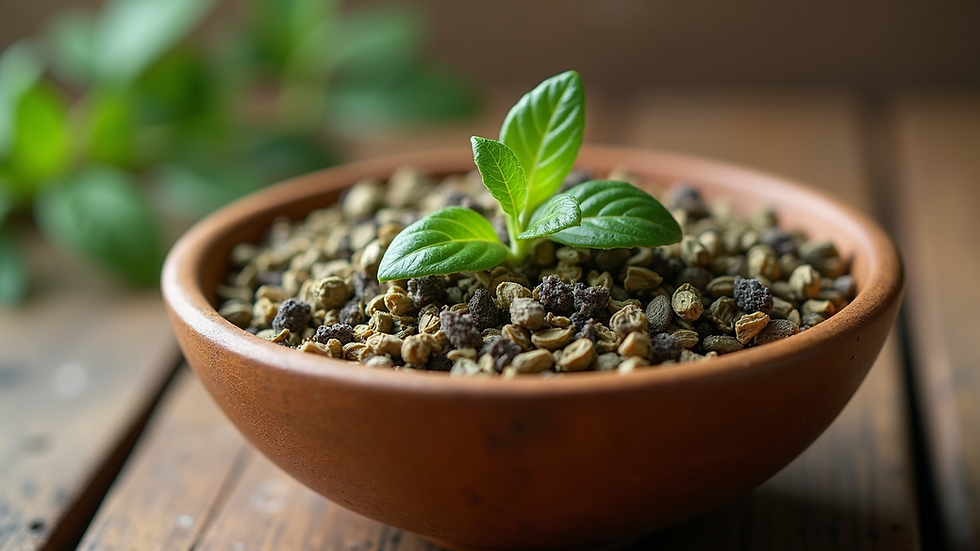
Dried herbs ready for use in herbal-based nutrition
Benefits of Herbal-Based Nutrition
Incorporating herbs into your diet offers several advantages:
Rich Source of Nutrients
Herbs provide essential vitamins and minerals that support immune function, skin health, and energy levels. For instance, nettle leaves are a natural source of iron, which is crucial for preventing anaemia.
Antioxidant Protection
Many herbs contain antioxidants that combat oxidative stress, reducing the risk of chronic diseases such as heart disease and cancer.
Anti-Inflammatory Effects
Herbs like turmeric and ginger help reduce inflammation, which is linked to many health conditions including arthritis and metabolic syndrome.
Digestive Support
Herbal teas and supplements can soothe the digestive tract, improve nutrient absorption, and alleviate symptoms like bloating and indigestion.
Adaptogenic Properties
Certain herbs help the body adapt to stress, improving mental clarity and reducing fatigue.
To maximise these benefits, it is important to use herbs correctly and in appropriate amounts. Consulting with a healthcare professional or a qualified herbalist can help tailor herbal nutrition to individual needs.
Which country brand is herbal nutrition?
When it comes to herbal nutrition brands, several countries are known for their high-quality herbal products. Countries with rich traditions in herbal medicine often produce trusted brands that combine traditional knowledge with modern quality standards.
India: Known for Ayurveda, India offers brands like Himalaya and Dabur, which provide a wide range of herbal supplements and nutrition products.
China: Traditional Chinese Medicine (TCM) brands such as Tong Ren Tang are renowned for their herbal formulations.
New Zealand: Known for its clean environment, New Zealand produces herbal products with a focus on purity and sustainability.
Germany: European herbal brands like Weleda and Salus are respected for their natural and organic herbal supplements.
Choosing a brand from these countries often ensures adherence to strict quality controls and authentic herbal sourcing. Always look for certifications and transparent ingredient lists when selecting herbal nutrition products.

Herbal supplement bottles displayed in a natural health store
How to Incorporate Herbal-Based Nutrition into Your Daily Life
Integrating herbal nutrition into your routine can be simple and enjoyable. Here are some practical tips:
Start with Herbal Teas: Replace one cup of your daily beverage with herbal tea such as chamomile, peppermint, or rooibos. These teas provide hydration and gentle health benefits.
Add Fresh Herbs to Meals: Use herbs like parsley, cilantro, basil, and dill to flavour dishes. They add nutrients and reduce the need for salt or sugar.
Use Herbal Spices: Incorporate turmeric, ginger, cinnamon, and garlic into cooking for added health benefits.
Try Herbal Supplements: If you have specific health goals, consider supplements like ashwagandha for stress or moringa for nutrition support. Always follow dosage instructions.
Create Herbal Infused Water: Add slices of lemon, cucumber, and fresh mint to water for a refreshing, nutrient-rich drink.
Remember, herbal nutrition should complement a balanced diet rich in whole foods such as fruits, vegetables, whole grains, and lean proteins. Avoid relying solely on herbs for nutrition.
Safety and Considerations in Herbal-Based Nutrition
While herbs offer many benefits, it is important to use them safely:
Consult Professionals: Speak with a healthcare provider before starting any herbal supplements, especially if you are pregnant, nursing, or taking medications.
Watch for Allergies: Some herbs can cause allergic reactions or interact with medications.
Quality Matters: Choose products from reputable brands to avoid contamination or adulteration.
Dosage Awareness: More is not always better. Follow recommended dosages to prevent side effects.
Monitor Effects: Pay attention to how your body responds and discontinue use if adverse effects occur.
By following these guidelines, you can enjoy the advantages of herbal-based nutrition while minimising risks.
Embracing Herbal-Based Nutrition for a Healthier Future
Herbal-based nutrition offers a natural, effective way to enhance health and well-being. By understanding the benefits and practical applications of herbs, you can make informed choices that support your body's needs. Whether through fresh herbs in your meals, soothing teas, or targeted supplements, herbal nutrition can be a valuable part of a balanced lifestyle.
For those interested in exploring further, consider researching specific herbs and their nutritional profiles. Integrating herbal nutrition into your daily routine can lead to improved vitality, better digestion, and a stronger immune system.
Explore more about nutrition herbal nutrition to discover products and resources that can help you on your wellness journey. Embrace the power of nature and enjoy the benefits of herbal-based nutrition today.


Comments